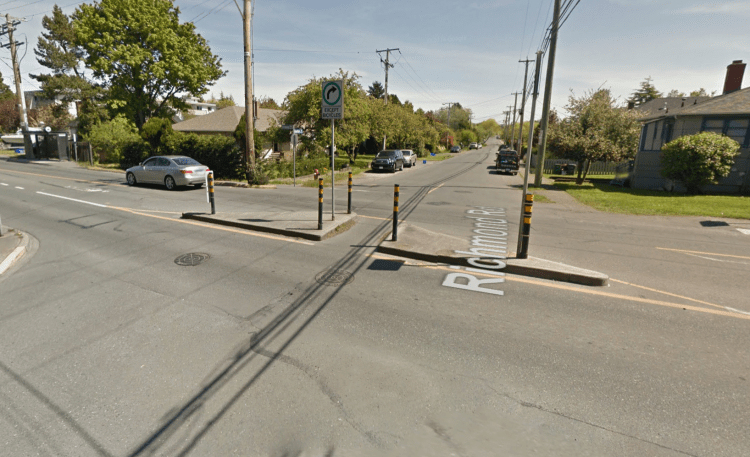
What is a modal filter? It is a structure that filters out different types of transport methods. There are many examples. Diagonal traffic diverts on 4 way intersections prevent vehicle through traffic. A bollard in the middle of a bike trail prevents large SUV’s from getting in the trail. A chicane gate may prevent large quads from getting in a shared use path. A doorway might prevent bicycles from getting in a building. A cattle gate is considered a modal filter. Even a spaghetti strainer is a modal filter, just not for traffic.
There are not many modal filters around metro St. John’s as there really is no location in the specifications for them. You will find a good few physical modal filters on the walking trails around Mount Pearl, Paradise, and St. John’s. Other than that, pretty much every paved surface is a free for all for cars.
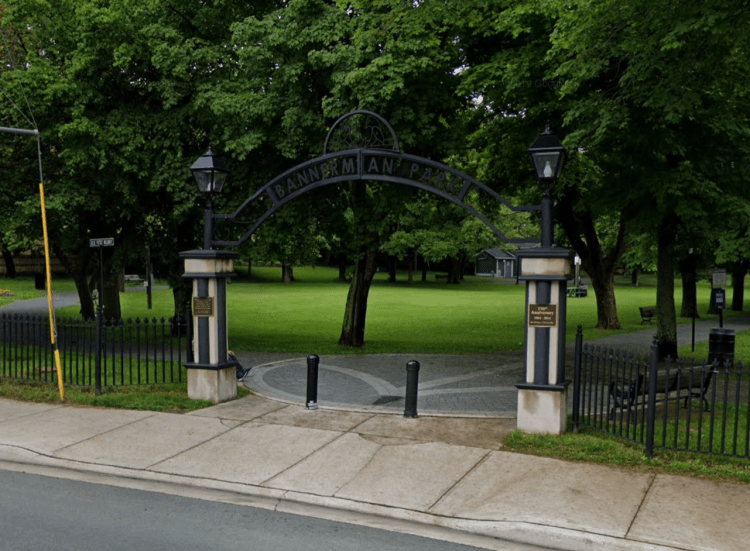
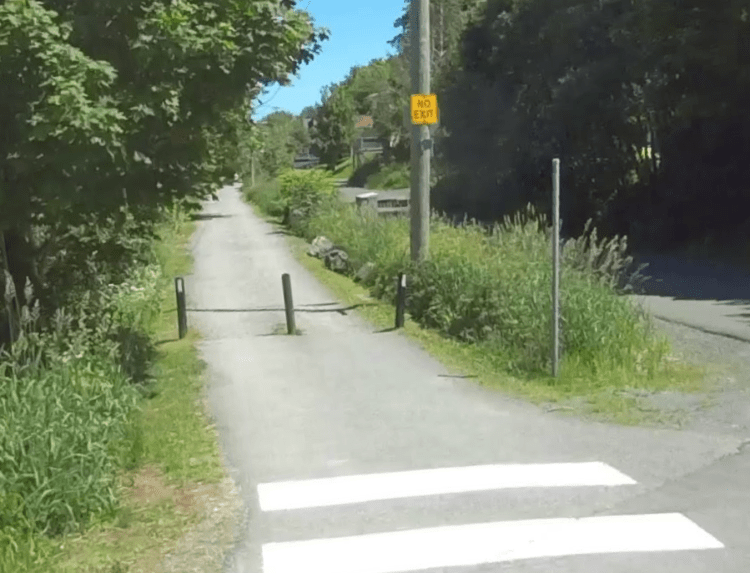
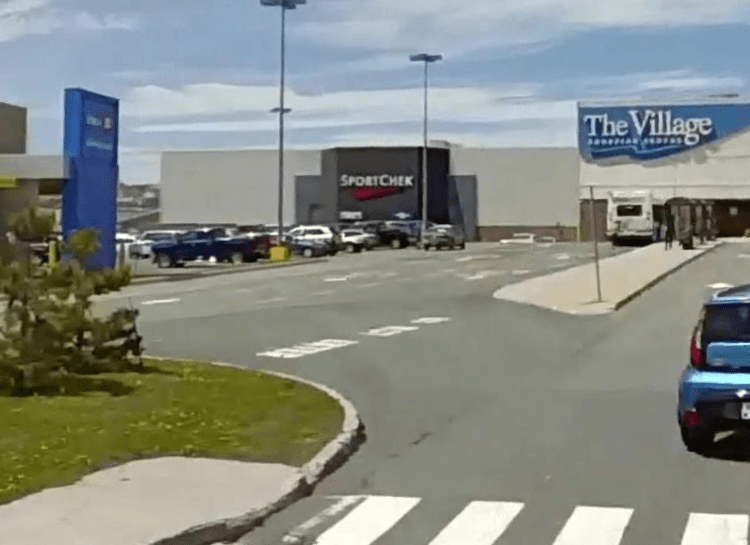
Modal filters do not need to be physical, but often that is the best way to ensure the goal is met. Since Buses are larger than cars (wow, I know), the only real way to make a physical bus filter would be an object called a run-over filter or bus-lock. Tramways in Toronto use them, though I cannot remember specifically where I saw the big ones. Retractable bollards are another option but are costly. Sometimes just a sign will do.
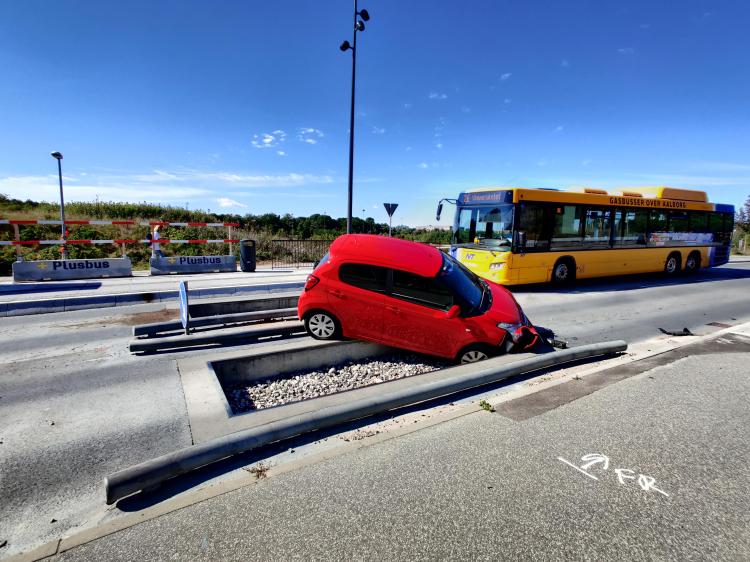
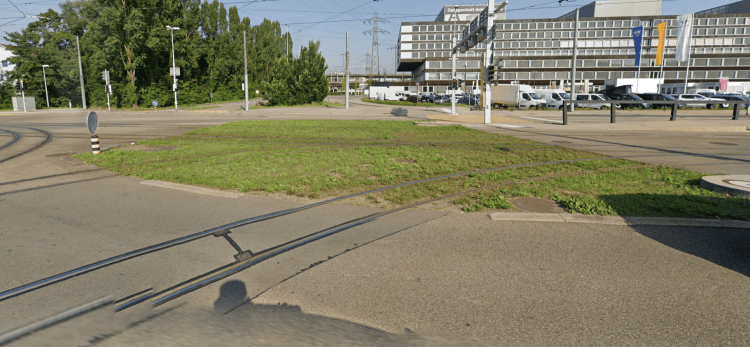
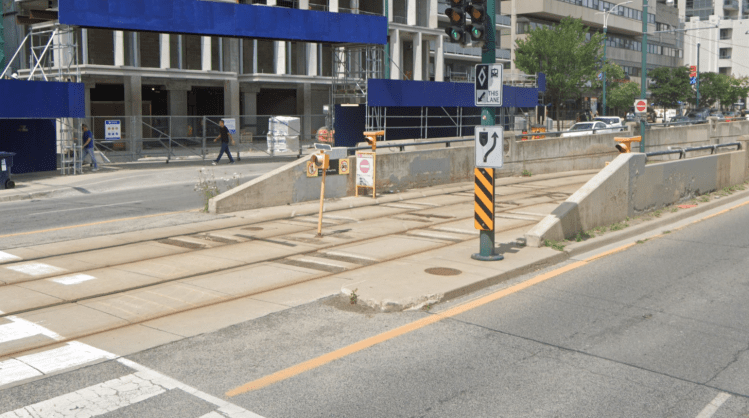
When it comes to traffic management, modal filters can be used to prevent through traffic on roads that have a more residential feel. They can be used to force industrial trucks to avoid an area. They could also be used to modify how people get around the city. In metro region the size of St. John’s it is odd that the only real restricted road is George Street, though it does not have a physical modal filter.
Strategy for traffic management
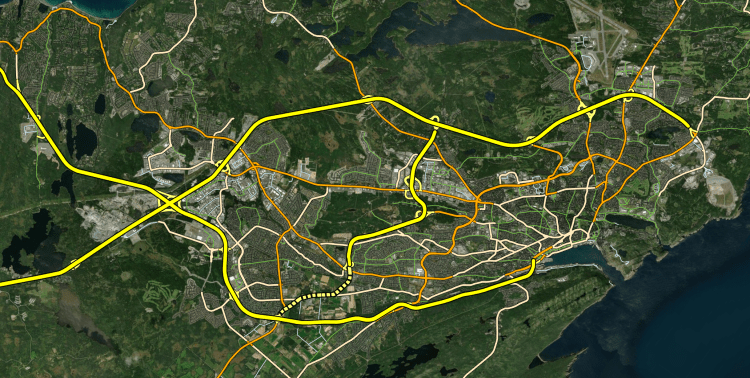
What I would like to discuss for this post is what strategy the NEA municipal governments could enact that would limit through traffic in the most logical manner. In essence, any highway with a 3500 vehicle per hour rate that can bypass a lower capacity should be preferred. With the Team Gushue Highway, Outer Ring Road, and Pitts Memorial Drive, there are dozens of roads which could be heavily managed to reduce vehicle impact risks without impacting overall traffic flows.
Critical roads and intersections should still be maintained but when thinking about traffic capacity, the bypass highways essentially increased vehicle movements by more than double. Without adequately management/reduction of traffic on the now lower utilized roads, there is a high risk to induce more load, increase speed, and increase risk. Sure, more people now live in the suburbs, but the overall capacity is much higher without any reduction. We can talk about level of service of our roads at a later date but essentially, St. John’s metro doesn’t have traffic, it has slightly elevated congestion in a few select locations for about 30 minutes a day.
The overall goal of traffic management would be to look holistically at all transport methods, not just vehicle traffic. However the city should be using transport engineering, not traffic engineering. The former looks at all modes of transport, not just personal large vehicles. When a modal filter is considered, options open up to move vehicles from slower residential streets, and put them where they make sense, on highways and large through-roads. It also allows for a currently very dangerous or lethal road for pedestrians and cyclists to become safer for those people, encouraging more active transportation. Another option would be for transport engineering to look at where Metrobus is delayed, and either change the route, or add a bus only modal filter to clear that road of cars. The cars will find somewhere else to go.
Re-route traffic to where it belongs
Below we will just look at some simple tracks on Google Maps. They have a pretty robust traffic sim within their traffic tracking. Eventually we may be able to run traffic simulations within ArcGIS (funding pending) and then we can really test adding modal filters.
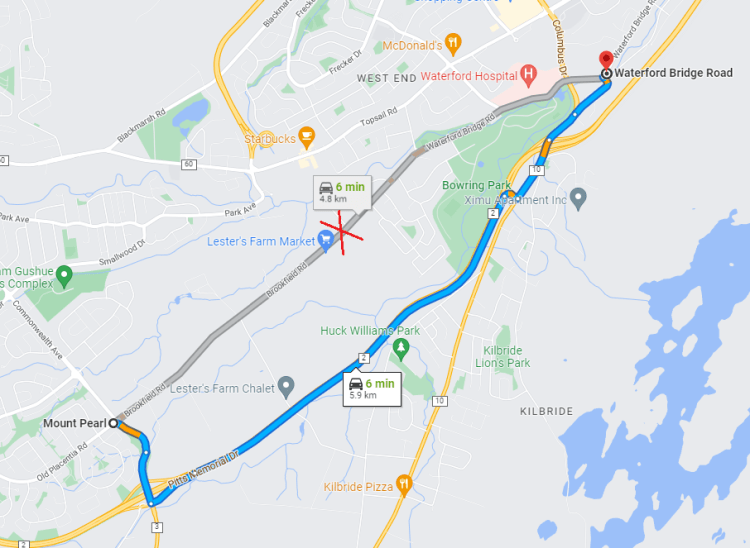
Brookfield Road – This road sees a lot of traffic relative to it’s size as people try to avoid Commonwealth/ Smallwood/ Park/ Topsail or Columbus/ Topsail. Those paths have several traffic lights. However even without TGH phase 3, brookfield is generally not the quickest way to get from South Mount Pearl to inside the City. I would limit this to only farm traffic.
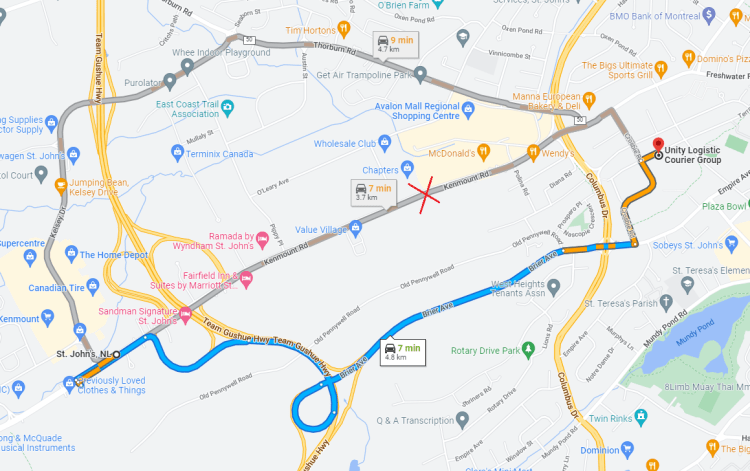
Kenmount Road – This section from TGH to Columbus is completely redundant now. This road is notorious for noise, speeding, traffic, slowing down buses and more. This road should be reduced to local business only and down to one lane each direction. With an adjacent through traffic highway and access, there is no loss.
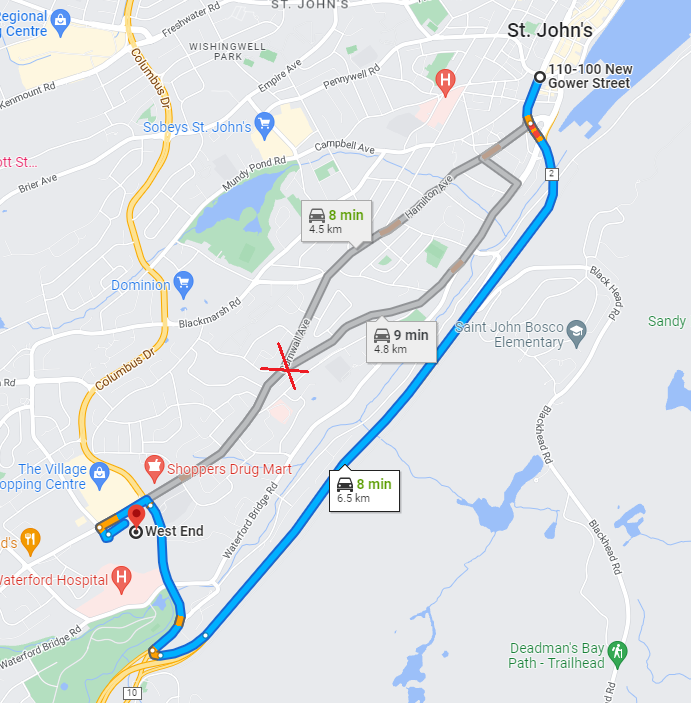
Old Topsail / Hamilton – Similar to Brookfield road, there is virtually no reason through traffic should exist on the old town roads. Bus route 2 and 3 regularly get stuck in traffic and these roads see unnecessary traffic numbers for the proximity to a highway. Topsail Road just east of PPD Columbus should be local and public transit only. The 5 lanes for over 1 km simply wasn’t needed once PMD was built. Convert that space to tress, shared use paths, and transit only lanes.
Upper Kenmount – The former Trans Canada Highway was very busy up until around 2001 when the Outer Ring Road was built. ORR essentially doubled traffic capacity, allowing Paradise to exist as a town. However Kenmount was never reduced in size, though it should be. Thorburn Road was also primary until the ORR extended to Allandale. Both are ripe for lane narrowing, filtering, and greening.
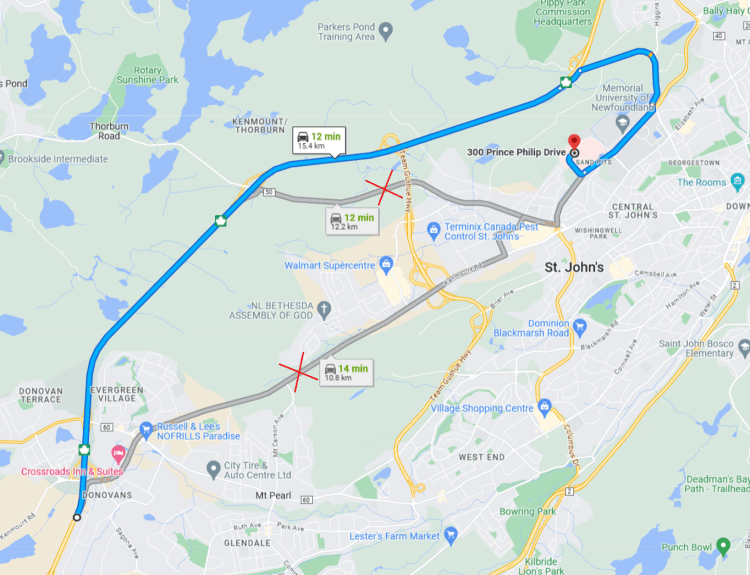
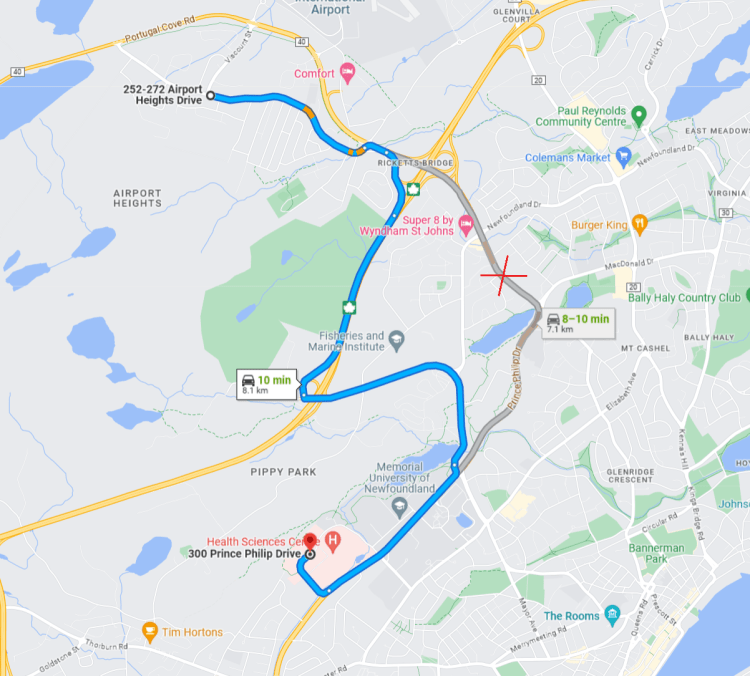
Portugal Cove Road – When the ORR was constructed, Allandale was overhauled to be a massive access to MUN, the Health Sciences Centre, and the Confederation buildings. Again, capacity was added but no lanes were reduced. Higgins line and Portugal Cove road were upgraded in 1987 in anticipation for the planned Outer Ring Road (would come 11 years later). PCR has two climb lanes and 2 decent lanes, one of which is unneeded with Allandale.
Columbus Drive – All of Columbus Drive is more or less abandoned when you compare the parkway core route traffic to the pre ORR and TGH projects. What used to be a half hour to cross (pre outer ring road a-la 1998) is now barely 7 minutes. This road would be perfect for a core rapid transit project with Columbus reduced to 2 lanes. 4 lanes are simply not warranted anymore. Passing inside a city is not a right or even a requirement so thin that road down.
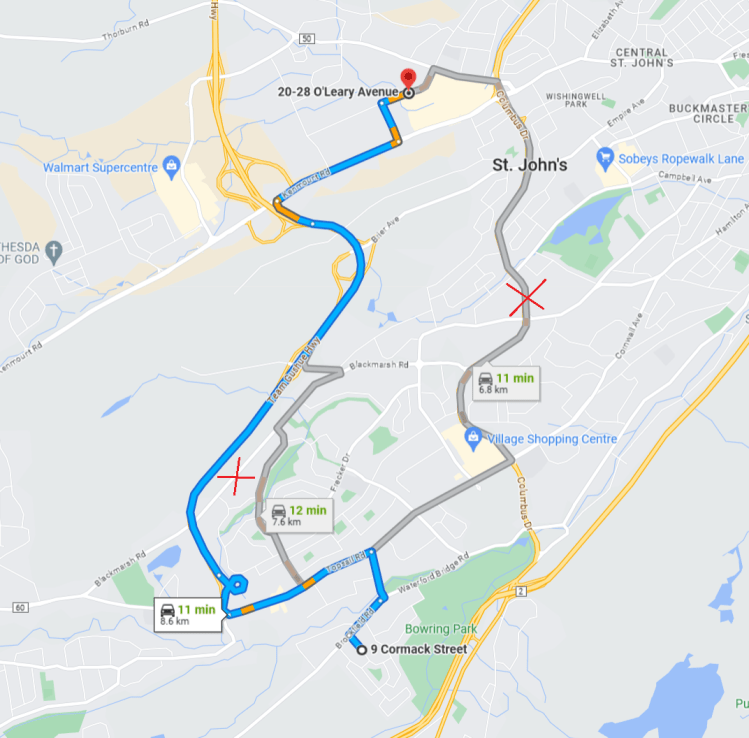
One thing that is certainly lacking is any transit controlled signals. With 10 different routes on the noted section of PPD by MUN, there should be pus priority lanes/signals all over PPD. No reason a bus has to be stuck in traffic and stopped with regular cars, especially with that many buses.
Calm that traffic!
In the end, modal filters are often an unpopular, but practical and VERY effective way to control the movement of vehicles. If St. John’s wants to get serious about active transport and public transport, it might be time to start thinking hard about how we can better direct large vehicles from our dense walk-able bike-able core, and how to ensure our public transit stays on time and out of traffic. Whether we shunt cars onto highways, prevent through-traffic on many intersections, or make car eating pits in front of bus only lanes, more can be done.
You might be thinking that this all sounds like ‘boo cars’. Yes. Yes it does. When looking at transportation management, we currently have a city with nearly 100% access for motor vehicles for road space and residents suffer. There are now several fatalities of pedestrians and hundreds of serious injuries cause by large motor vehicles. That is not acceptable. Don’t forget that our streets are for people, and if transport engineering doesn’t look holistically at ALL modes of transport, streets will remain car-centric and unsafe for everyone else.
 streetsafp.ca